Background
I'm Peter from Slovenia and I hike in the mountains about once a week. My typical hikes last 4–6 hours, while longer trips can reach 10–12 hours or include overnight camping. I also have experience with MOLLE equipment, chest rigs and plate carriers from shooting and range use.
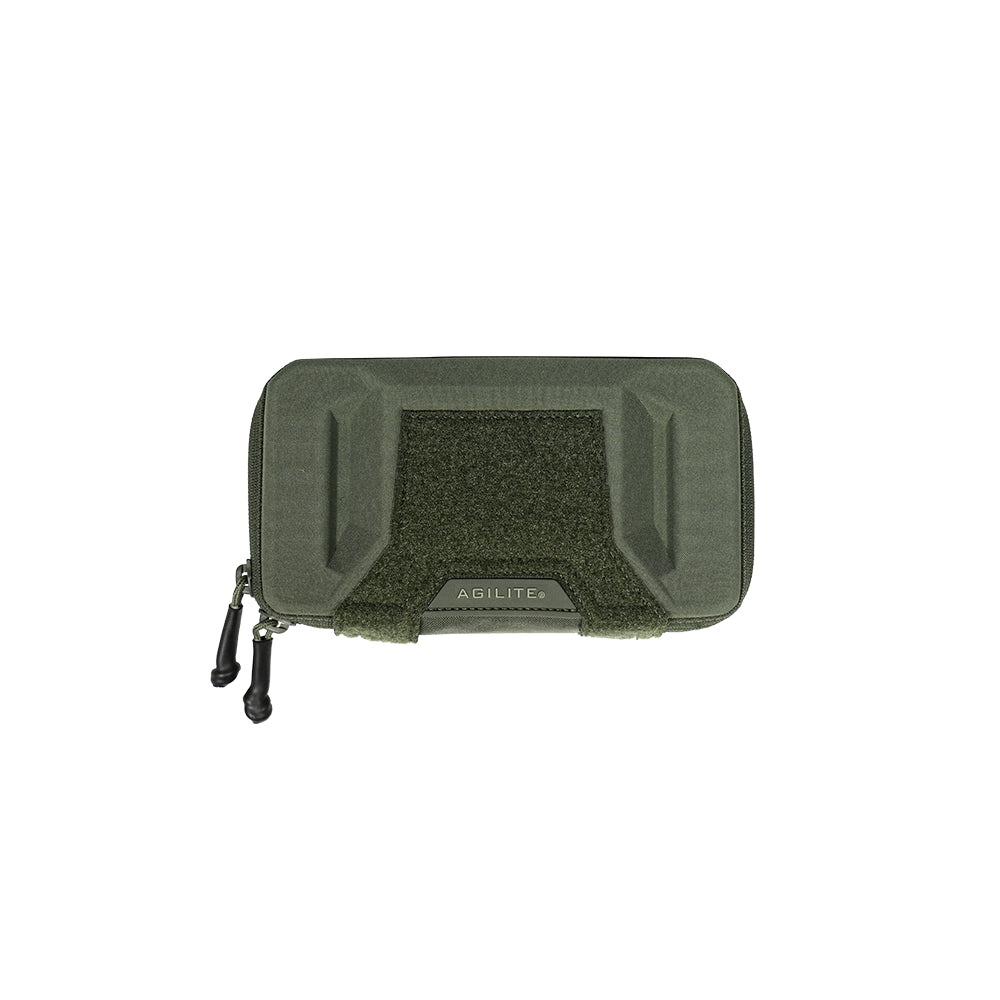
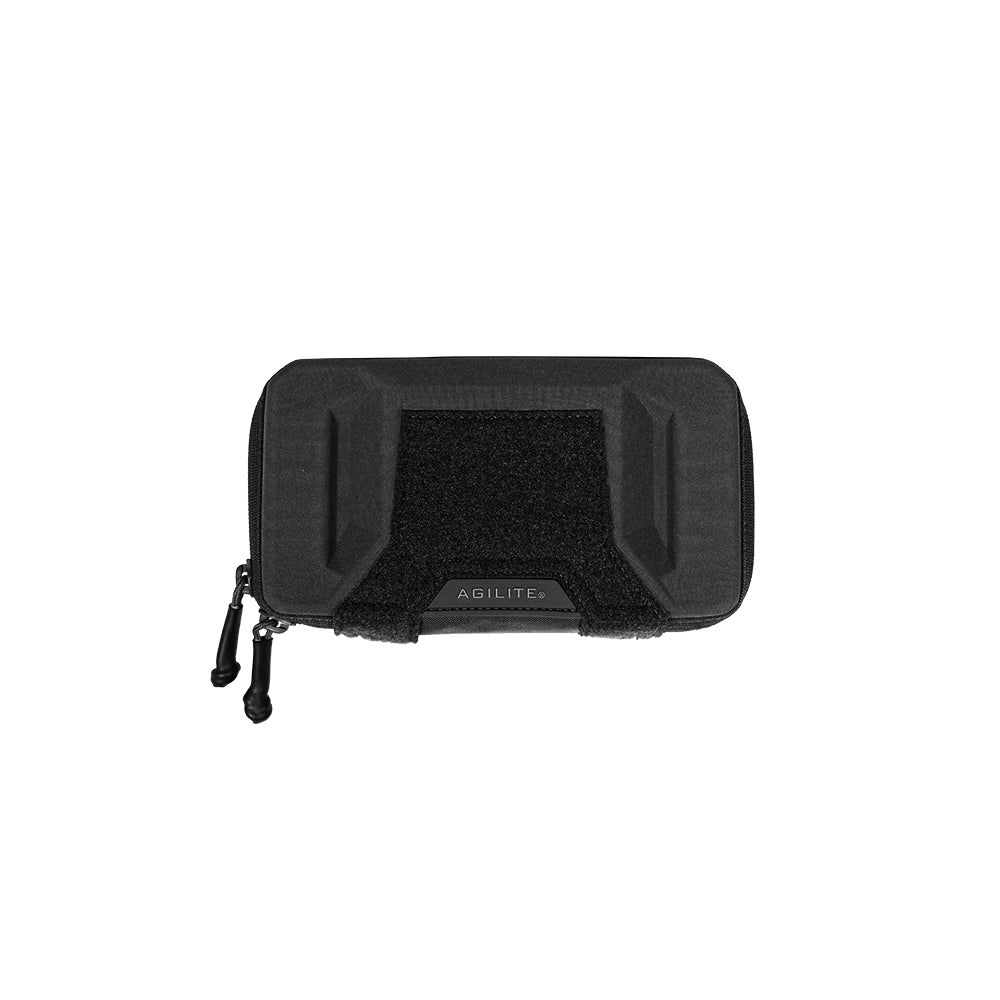
I bought the BattleShell mainly for hiking navigation. I previously carried my phone in a backpack hip-belt pocket, but modern phones have become too large for convenient repeated access. My current phone is a Samsung Galaxy S26 Ultra, and I wanted it protected, secure and immediately accessible in front of me.
Timeline Tested
I had already used the BattleShell several times before this review, but usually only during sections where I needed frequent map access.
For this test I wore it continuously on an August 16 mountain hike from Planina Blato toward the Seven Lakes Valley and back.
Recorded activity:
• 28.73 km
• 1,488 m ascent
• 2,019 m maximum elevation
• 10:36 activity time
• 13:03 total elapsed time
• 32,870 steps
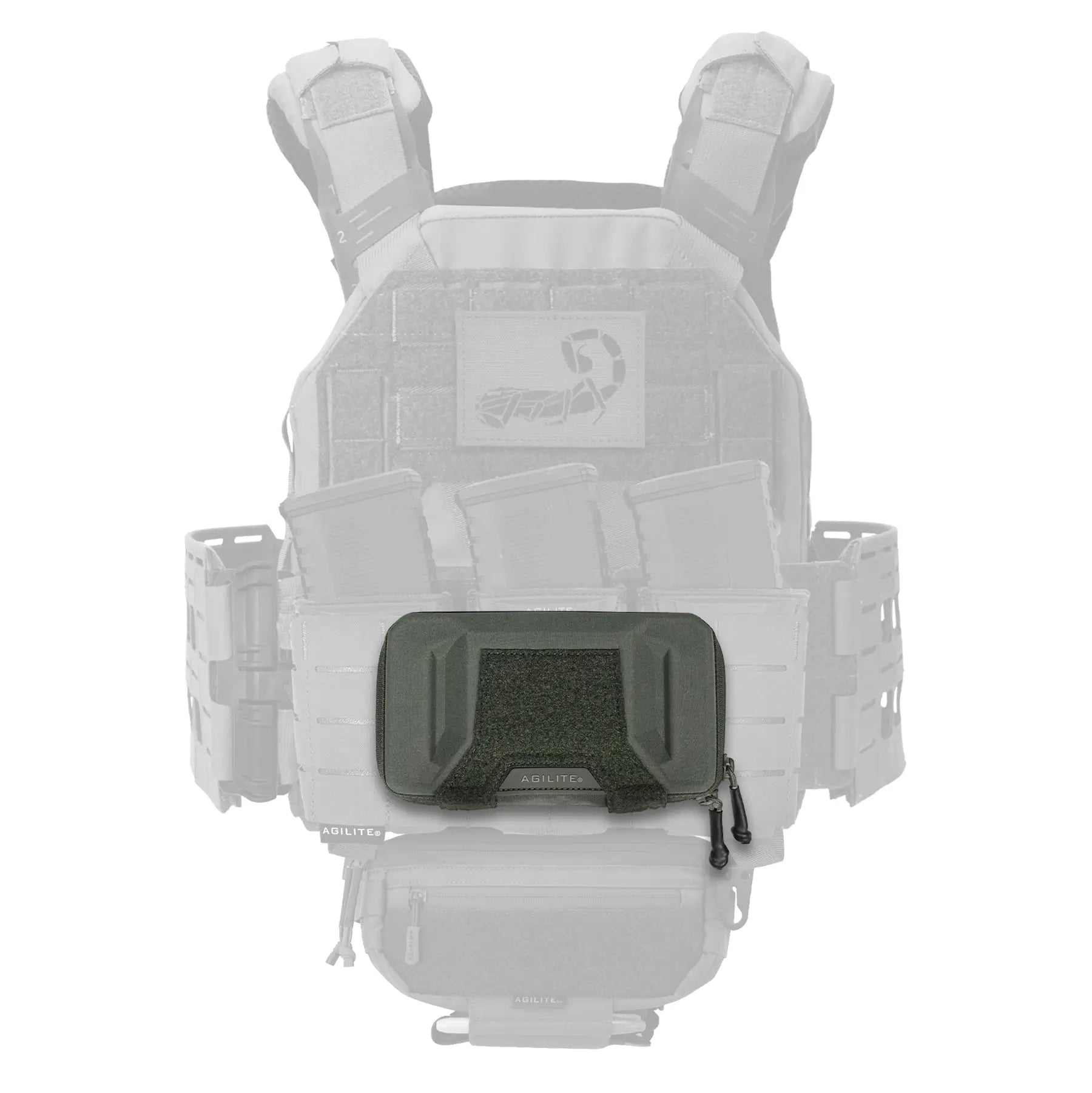
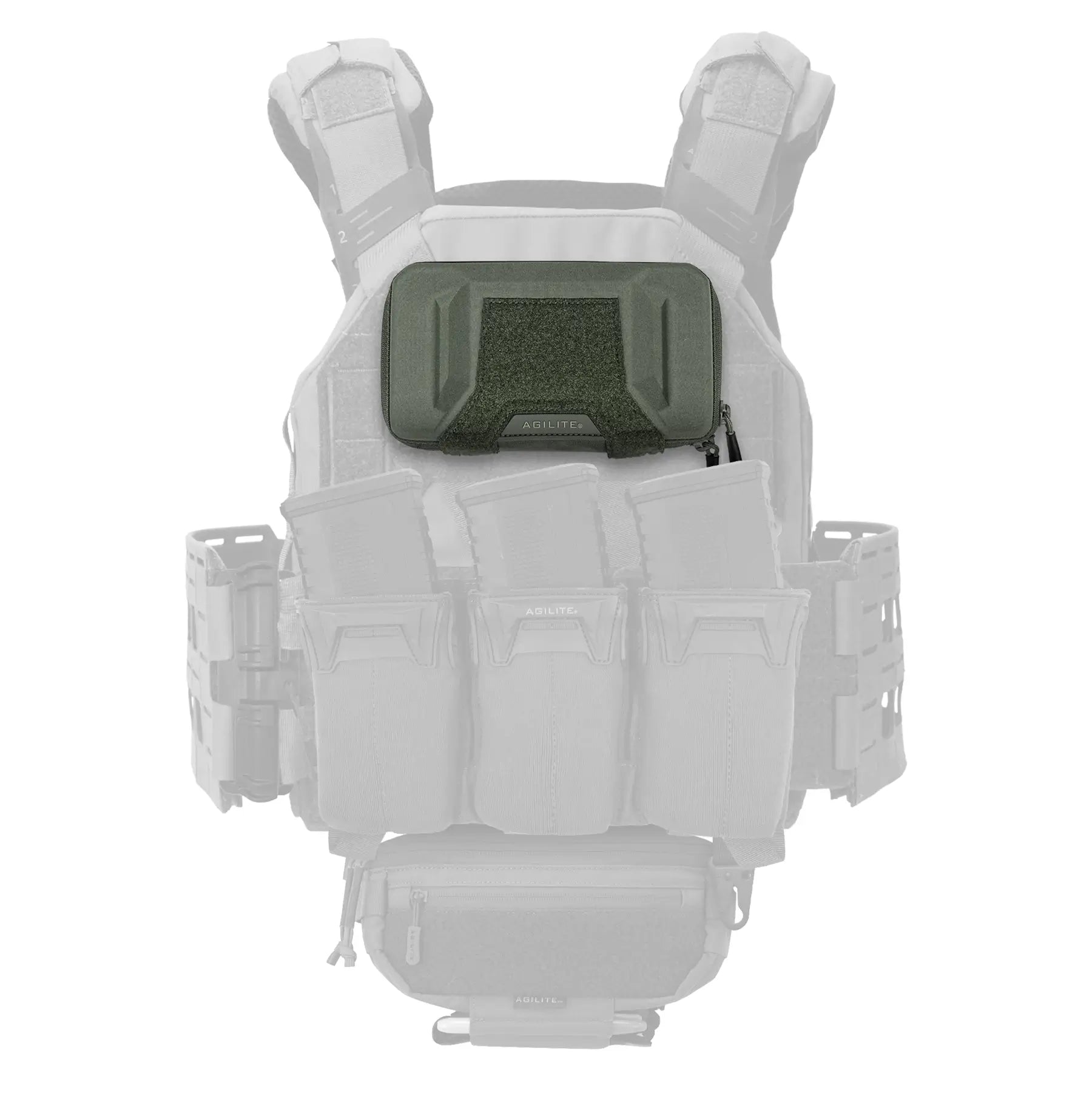
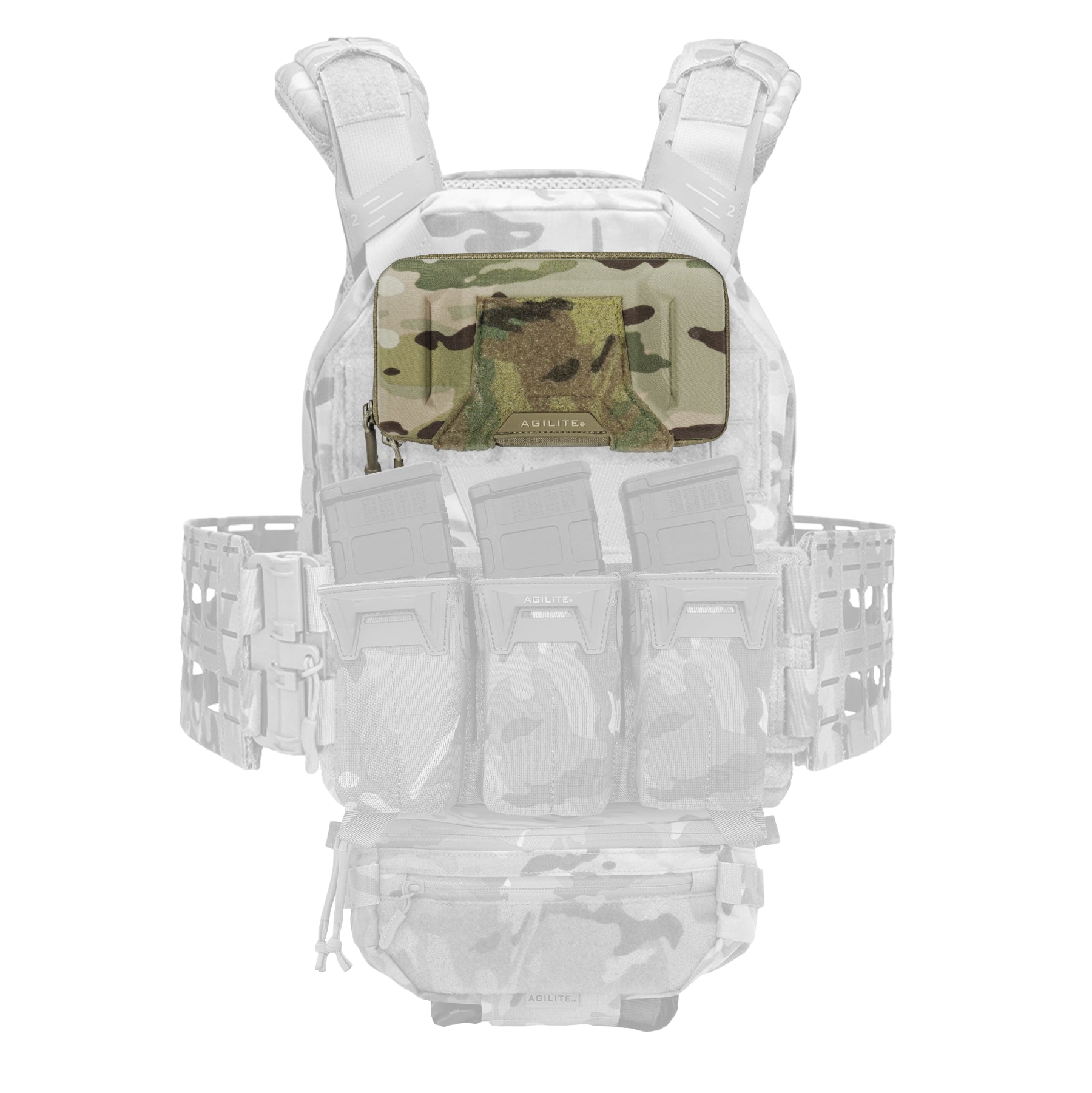
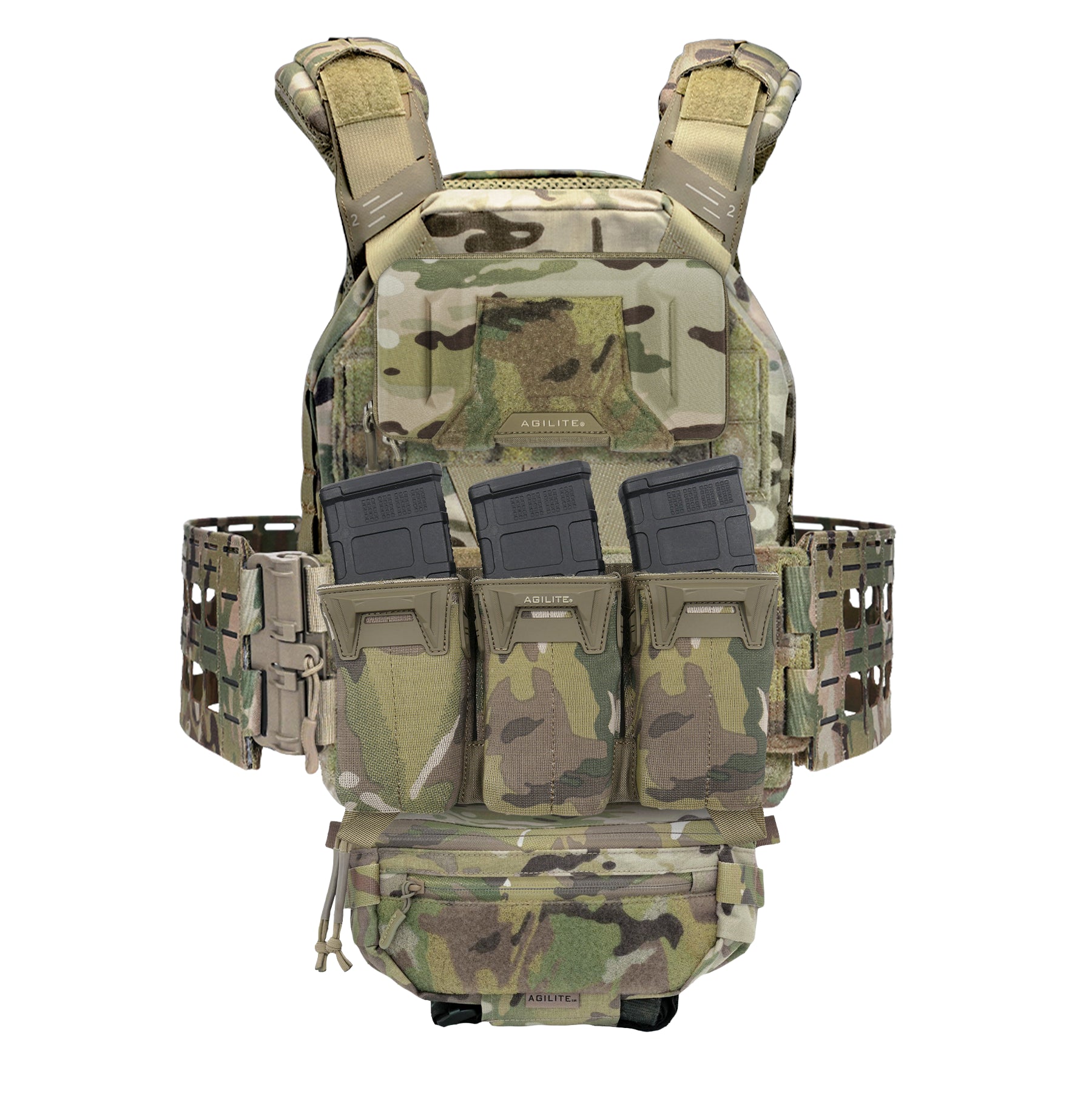
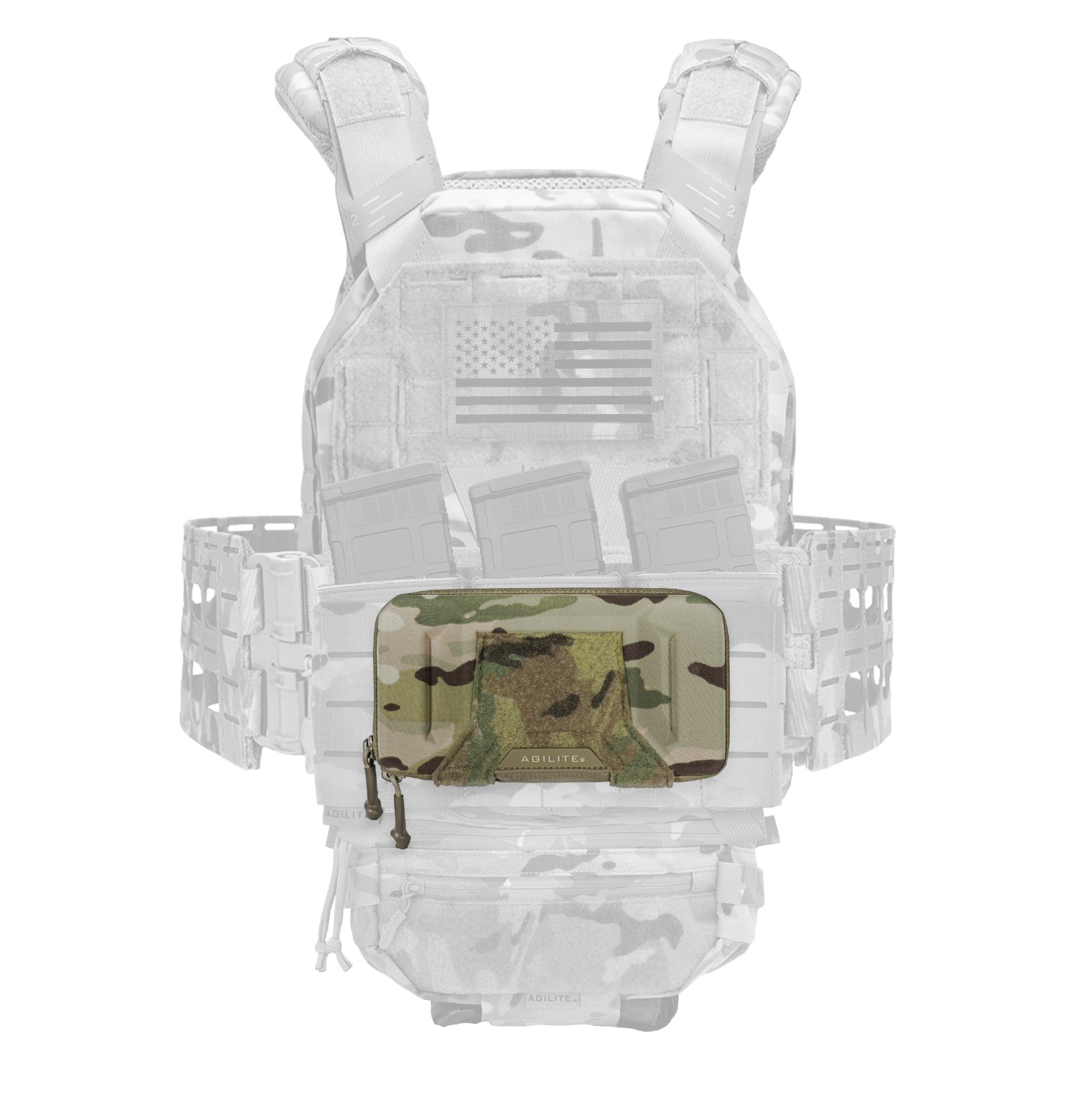
The BattleShell was mounted via MOLLE on an Agilite Reaper Chest Rig under my Osprey Atmos 35 backpack. An Agilite Six Pack Hanger Pouch was mounted below it and carried a power bank.
Sustain
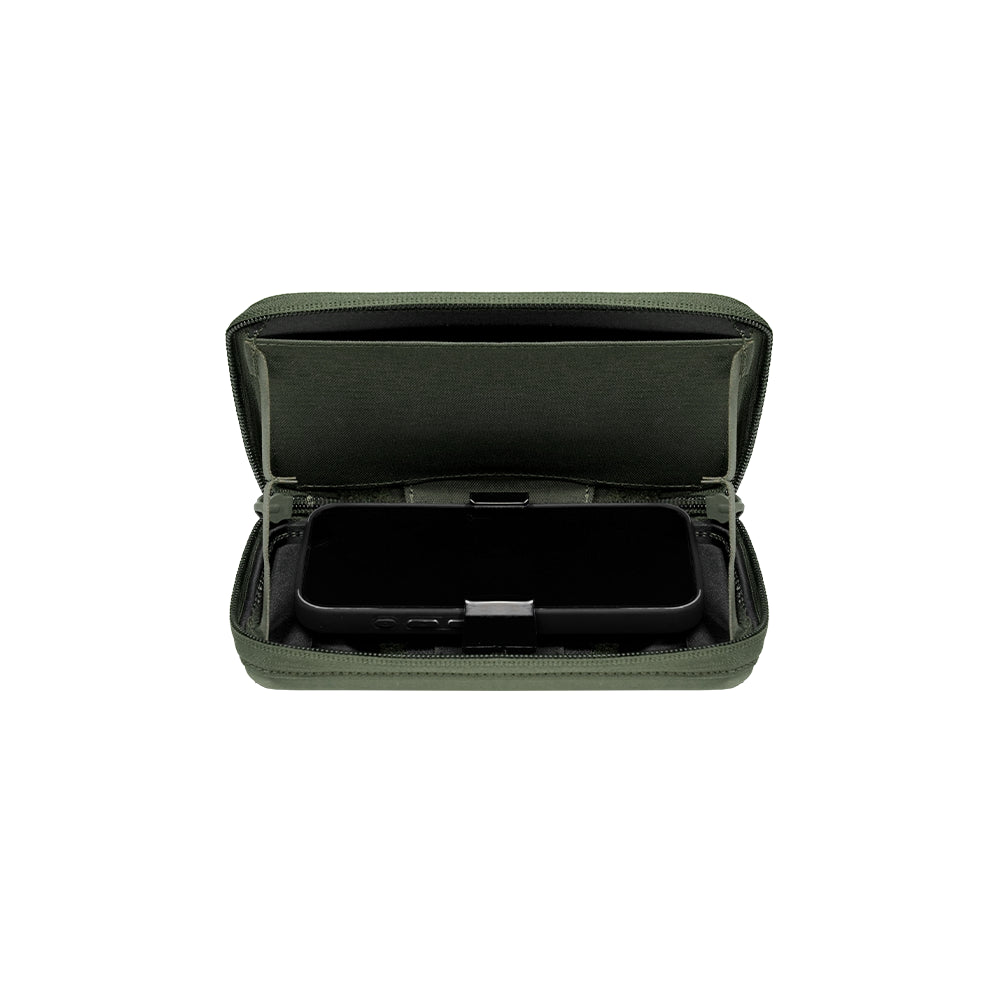
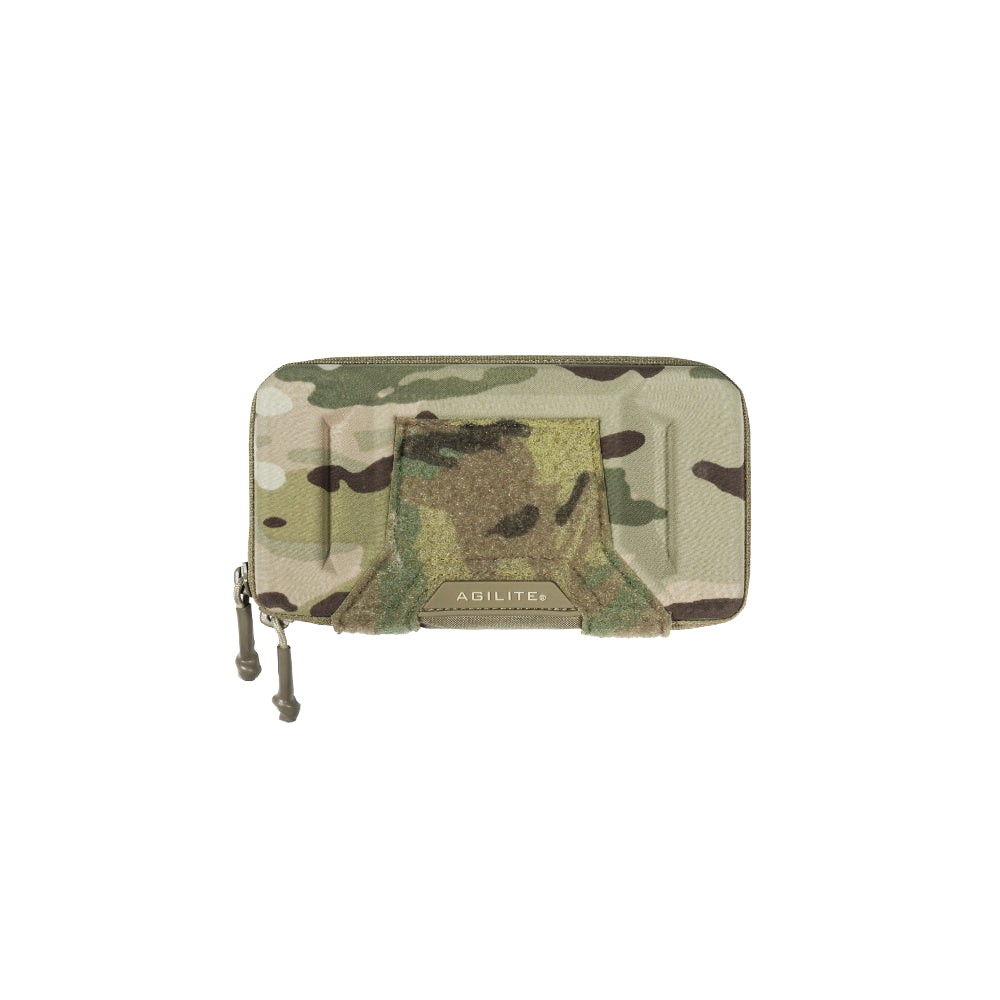
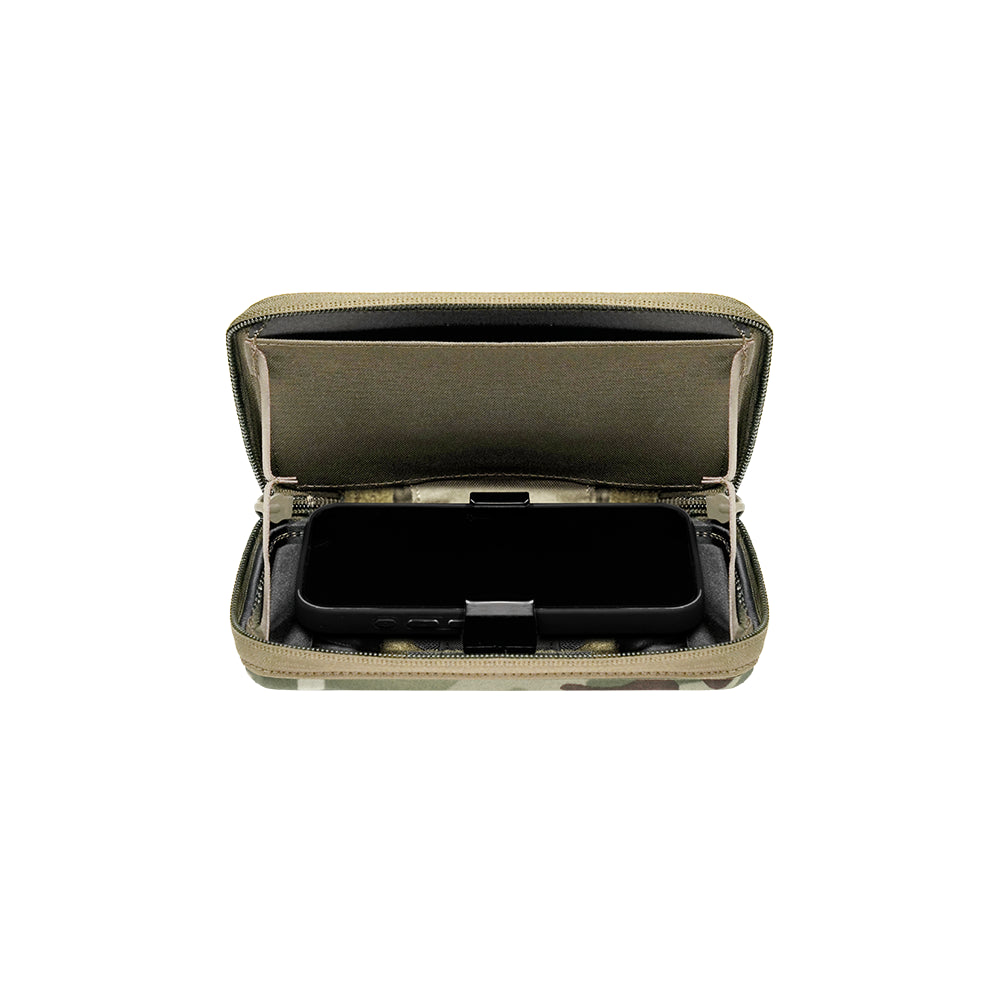
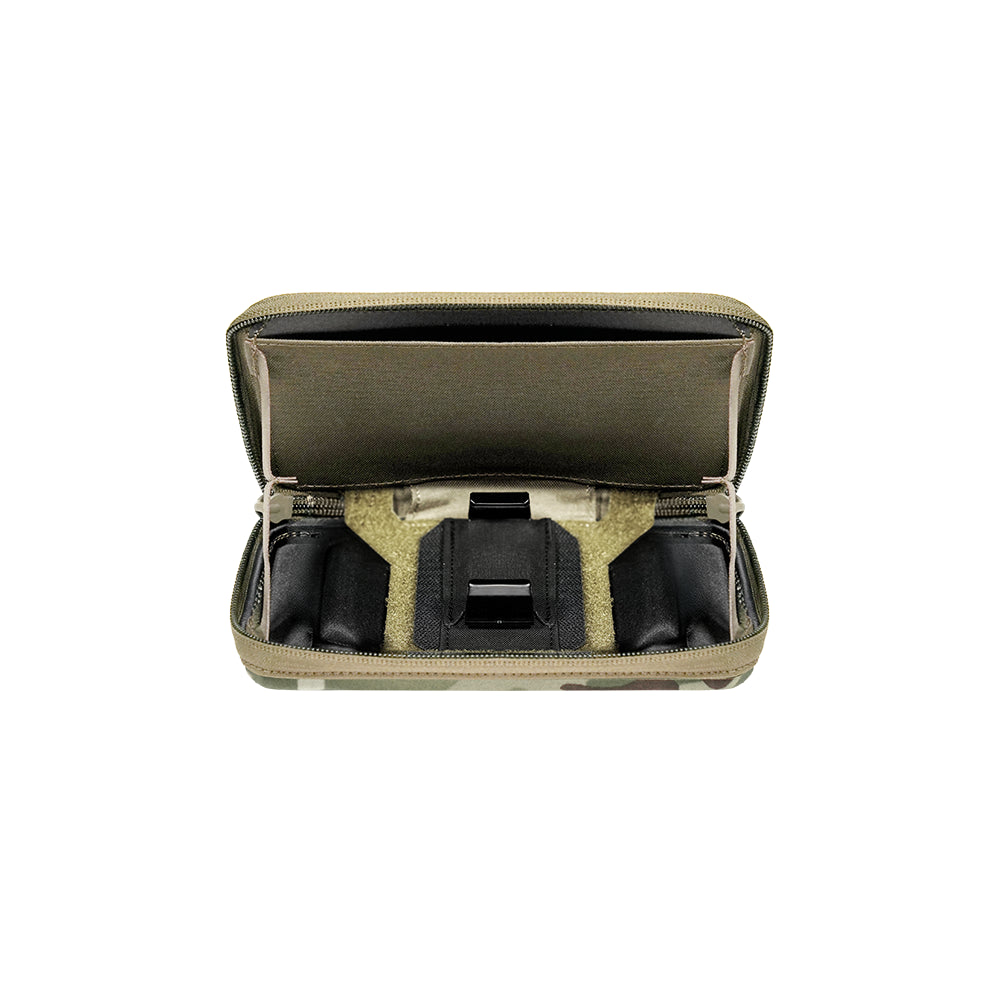
Universal fit: My first impression was that the BattleShell looked large, but once I installed the Galaxy S26 Ultra, one of the largest mainstream phones, the dimensions made sense. I would not want it substantially smaller if that reduced its universal compatibility.
Long-duration comfort: This was the biggest surprise. After almost 29 km and roughly 13 hours, the BattleShell never became annoying. It did not interfere with my arms, clothing, backpack straps, hiking poles or normal movement.
Retention and stability: The phone did not move during steep climbs, descents or rocky terrain. The BattleShell remained stable on the Reaper without sagging, rotating or bouncing.
One-handed access: I normally had a hiking pole in my other hand and could unzip, open, check the phone, close and zip the BattleShell one-handed. On suitable terrain I could even check it while walking.
Navigation: I use Locus Map with offline maps. The viewing angle worked very well for checking junctions, position, distance and possible camping locations. I could zoom and pan comfortably, and even strong sunlight was not a problem.
Charging: I carried a small power bank in the Six Pack directly below the BattleShell. A USB-C cable routed upward allowed me to charge while keeping the BattleShell fully usable. This was much cleaner than routing a cable from inside the backpack.
Durability: After the hike there was no meaningful zipper, stitching, MOLLE or internal-holder wear. The shell still looked almost new, although I noticed a small amount of deformation on the inner shell that I will continue to monitor.
Improves
1. Phone retention can press the S26 Ultra power button.
When the phone is naturally centered, part of the plastic retention mechanism can sit directly over the power button and keep it pressed. I solve this by shifting the phone slightly sideways.
I would change the retention geometry or make the contact position more adjustable so different side-button layouts are better accommodated.
2. A second stable opening angle would improve interactive use.
The existing angle is excellent for navigation but less comfortable for writing. I can remove and reinsert the S26 Ultra S Pen while the phone remains mounted, but writing at the current angle is awkward.
A second stable position closer to 90 degrees would make note-taking, coordinates or annotations much easier, provided it does not add excessive complexity or reduce durability.
3. Charging setup could be documented better.
With my phone, a straight USB-C connector was not ideal. A 90-degree USB-C adapter allowed the cable to exit parallel to the phone and route cleanly through the BattleShell opening.
The charging system works very well once configured, but a short guide showing recommended cable/adapter orientation would help users avoid trial and error.
Commentary
This test changed my opinion about the BattleShell's size. At first it looked bulky. After carrying it for roughly 13 hours over almost 29 km and 1,488 m of ascent, I no longer consider that a meaningful disadvantage.
More importantly, it solved the reason I bought it: my phone and navigation are protected, secure and immediately accessible without repeatedly digging into backpack pockets.
For trail runners or people who rarely need navigation, it may be more equipment than necessary. For hikers who regularly use detailed maps, explore unfamiliar terrain or want a large expensive phone protected and immediately available, it works extremely well.
Overall: 9/10.